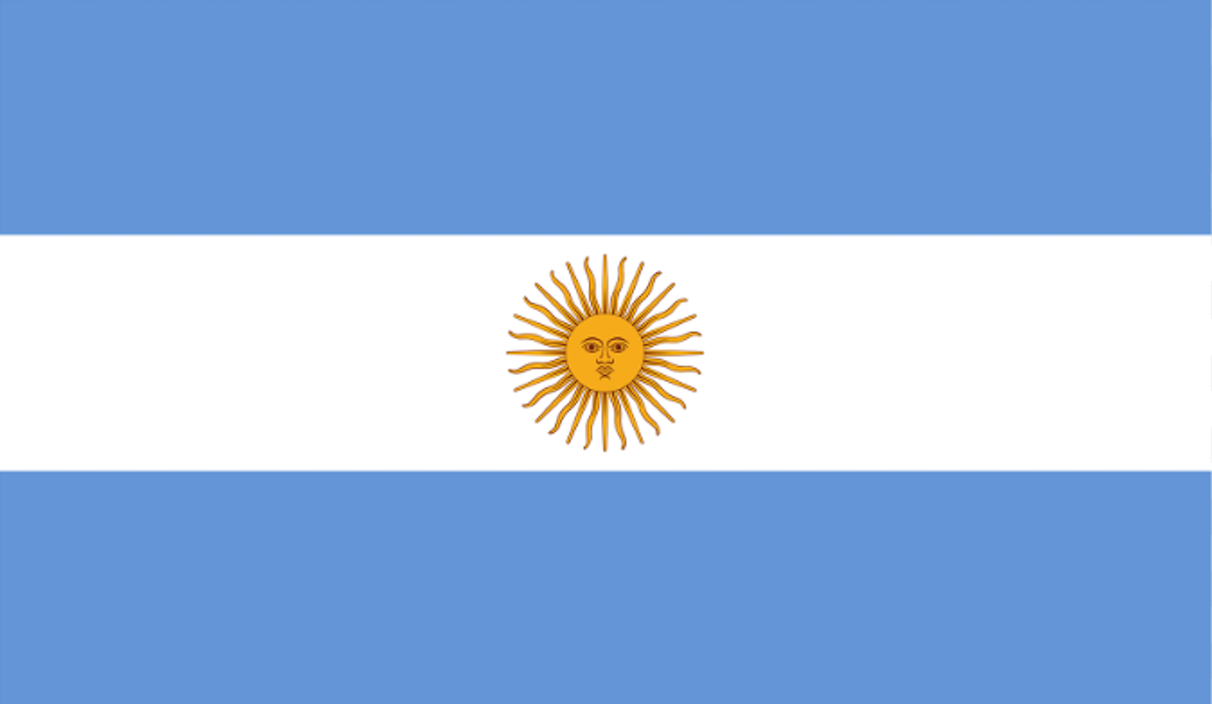






ARGENTINA
Manager: Diego Maradona / Key Player: Lionel Messi
There is probably no player in history who's had a greater impact on World Cup football than Diego Maradona, and if he's still around to lead Argentina come June then it'll be hard to take your eyes off the Albiceleste.
Sent off at Spain ‘82, architect of the Hand of God and the Goal of the Century at Mexico ‘86, kicked out of USA ‘94 for doping and the manic celebrations, as a fan, at Germany ‘06 - it's difficult to think of an ex-player less cut out for the demands of management than Maradona.
His chaotic approach very nearly saw Argentina fail to qualify. Scraping through on the last day, they lost 6 qualifying matches out of 18 including a 6-1 thrashing away to Bolivia.
But in the mesmeric Leo Messi, they have one of the most gifted players of this or any other generation. Sergio Aguero, Carlos Tevez & Diego Milito provide the creativity, work rate and goal threat to trouble the meanest defence and it's all set up from the most streetwise midfield in the competition - Javier Mascherano, Juan Sebastian Veron & Esteban Cambiasso.
Their trouble of course is in defence, but then again should it really be such a surprise that a team marshalled by Maradona doesn’t place too much emphasis on keeping things tight at the back?
Key Player: Lionel Messi
The ‘new Maradona’ tag has proven too much of a burden to bear for such talented players as Ariel Ortega, Javier Saviola, Pablo Aimar & Juan Roman Riquelme but the Barcelona superstar takes it all in his stride.
Coming up against more organised defences than he finds on a weekly basis in La Liga, Messi hasn’t yet quite matched his club displays on the international scene. But if the unpredictable Maradona can get his most lethal weapon firing on all cylinders, 10/1 might look pretty generous as the tournament goes on.
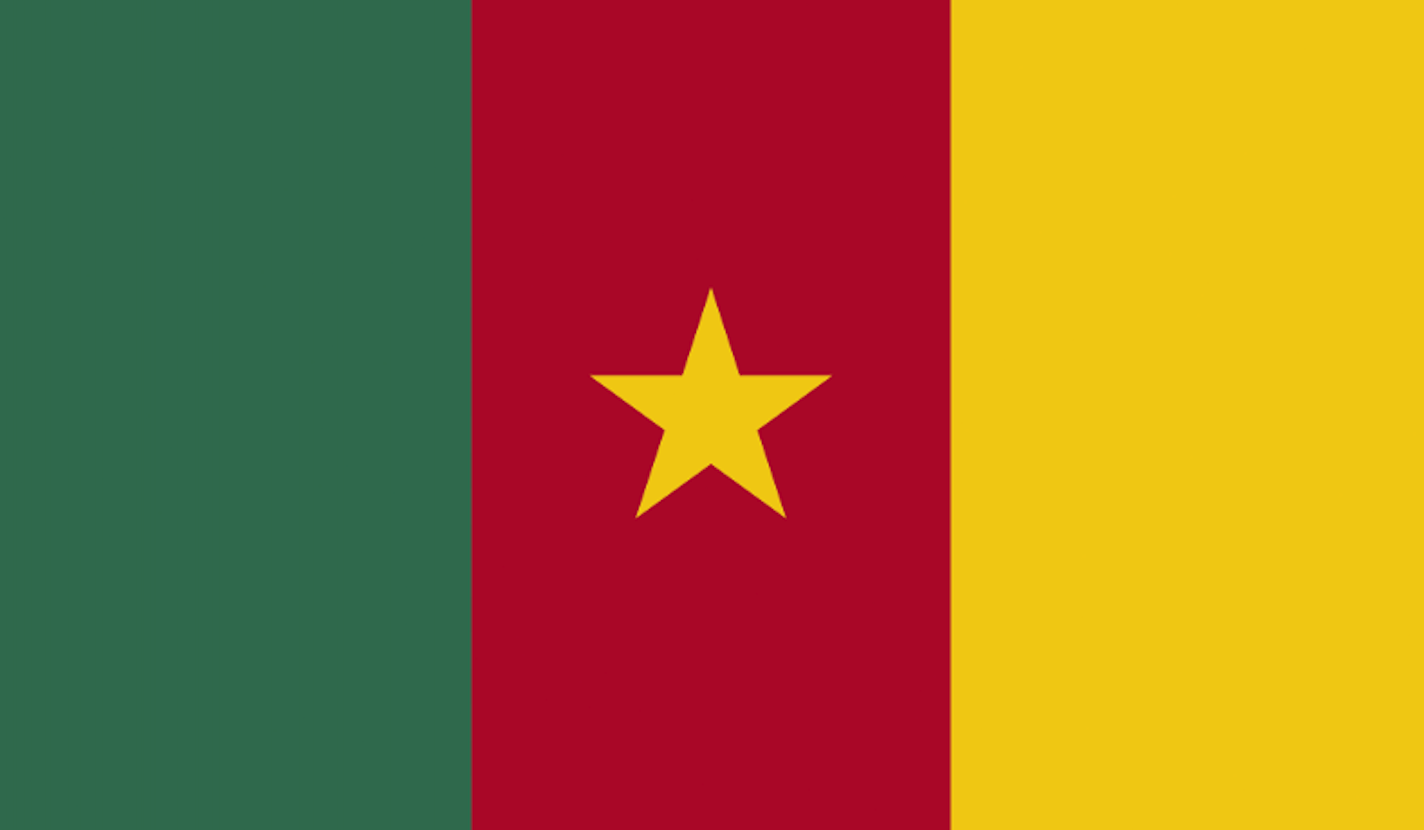
CAMEROON
Manager: Paul Le Guen / Key Player: Samuel Eto’o
Emerging out of Africa’s toughest group – beating Morocco, Gabon and Emmanuel Adebayor’s Togo – South Africa 2010 will be Cameroon’s fifth appearance in their last six World Cups.
The most successful of all the African Nations, their run to the quarter-finals at Italia ‘90 was the stuff of legend. Since then however, they’ve failed to advance past the group stages, missing out altogether in Germany ‘06.
But with the tournament being staged on African soil for the first time, could the time be right for one of the continental powerhouses to go all the way? The feeling might be that Ghana or the Ivory Coast are better placed to make such a challenge, but Cameroon out-performed both at the African Cup of Nations 2008 and shouldn’t be discounted.
Samuel Eto’o is still the spearhead, but every single one of the current squad plays in one of the major European leagues. From goalkeeper Carlos Kameni through Rigobert Song, Achille Emana & Eto’o, the spine of this side is packed with top level experience – long gone are the days when Roger Milla, Francois Omam-Biyik, Benjamin Massing and the rest sprang out of nowhere to shock the watching world.
Key Player: Samuel Eto’o
Having plundered goals at the very highest level throughout his career, Eto’o is one of the world’s premier strikers of the last decade.
Released by Real Madrid aged 19, he later went on to establish himself as a Barcelona legend, firing them to 3 La Liga titles and 2 Champions League trophies before moving to Inter Milan in 2009.
As the leading scorer in their qualification campaign, it goes without saying that the ‘Indomitable Lions’ will yet again be looking to the talismanic Eto’o for inspiration in South Africa.
CHILE
Manager: Marcelo Bielsa / Key Player: Humberto Suazo
With mercurial Argentine coach/philosopher Marcelo Bielsa at the helm, the Chileans produced a fine qualifying campaign which saw them finish second in South American qualifying, securing their place in South Africa with a game to spare.
Having missed out on the last two World Cups, qualification was met with a mixture of joy and relief back home with Bielsa hailed as the architect of a fearless attacking young side. Only group winners Brazil scored more than Chile’s 32 goals.
Chilean football will forever be identified with legendary strike duo Ivan Zamorano & Marcelo Salas, and it’s been the struggle to compete without this pair that’s left Chile in the World Cup wilderness for so long – finally, they seem to have found a group of players capable of building on the ‘Za-Sa’ legacy.
In particular, playmaker Mati Fernandez - languid, old-fashioned #10 in the Juan Roman Riquelme mould - could be one of the breakout stars of this World Cup. Effortlessly ghosting past players and with an eye for the killer ball, he’ll punish any side that gives him too much space.
Encouragingly for their prospects next summer, half of Chile’s 10 qualifying wins came away from home. And with their emphasis firmly based on attack, they’ll be hoping that fortune favours the brave at South Africa 2010.
Key Player: Humberto Suazo
‘Matigol’ might be the best known of Chile’s current crop, but it’s likely a few more will know about of Humberto Suazo by the time the summer’s out.
10 goals in qualifying made him South America’s leading scorer, beating Brazil’s Luis Fabiano into second. Short, powerfully built and a lethal finisher, he’s also had a history of disciplinary problems – all the more reason to keep an eye out for him in South Africa!
GERMANY
Manager: Joachim Low / Key Player: Miroslav Klose
“Football is a simple game. Twenty-two men chase a ball for 90 minutes and at the end, the Germans always win.” – Gary Lineker
Eight wins, two draws and no defeats in qualifying – it was very much business as usual for Germany who secured their place at South Africa 2010 with the minimum fuss.
There’s really not much you can say about the Germans which hasn’t already been said. Three-time winners, they haven’t ever failed to qualify for the finals (they withdrew in 1930 and were banned in 1950), and only once have they fallen before the knock-out stages – back in France ‘38. German efficiency is clearly no myth.
Even when they turn up with a (for Germany) below average side, they exceed expectations, making it to the final of Korea Japan ‘02 and the semi-finals on home soil four years later.
Chelsea’s midfield terminator Michael Ballack is the undoubted leader of the pack, and with four goals in qualifying he along with Bastian Schweinsteiger, Lukas Podolski and Miroslav Klose provide the main attacking threat.
Nor do they lack experience at the back, where Philipp Lahm, Arne Friedrich & Per Mertesacker have just shy of 200 caps between them. Surprisingly perhaps, only Ballack, Stoke City’s Robert Huth & Celtic keeper Andreas Hinkel play their club football outside Germany
And although Bundesliga clubs haven’t fared too well in Europe of late, you can bet that come June, Die Mannschaft will be there or thereabouts.
Key Player: Miroslav Klose
Given his goal scoring record for both Bayern Munich and Germany, Klose remains a mystifyingly under-rated striker. With an international ratio better than a goal every other game, he has 10 at the World Cup finals alone and is the only player to score five times in consecutive tournaments.
With Germany again likely to go far, 25/1 on Klose top scorer looks like a great e/w (1-4) bet.
GHANA
Manager: Milovan Rajevic / Key Player: Michael Essien
Benin, Mali & Sudan didn’t provide Ghana with the toughest of qualifying groups but the Black Stars coasted through anyway, not conceding a goal en route to winning their first four matches. This generation announced their arrival on the world stage with a run to the last 16 at Germany ‘06. After losing their opening match to eventual champions Italy, Ghana beat both the Czech Republic and the USA to make it out of their group. Although they went down 3-0 to Brazil in the first knockout round, that score line greatly flattered Ronaldo & co. Ghana had showed that they belonged in the big time.
More impressive still was the fact that they achieved all this with the youngest team in the tournament, with an average age under 24 years old. Only one of their current outfield squad is over 30, 18 of the 23 play in the top European leagues and this young side has a competitive edge and experience that belies their age. Anything less than an improvement on the last 16 would count as a disappointment for this gifted group of players.
Key Player: Michael Essien
Serie A’s Sulley Muntari and Stephen Appiah provide the graft and craft in midfield but the real jewel in the crown is Chelsea’s Michael Essien.
Since Roman Abramovich splashed out £24.4 million to sign him from Lyon in 2007, he’s shown himself to be arguably the most versatile and complete player in the Premier League. His tackling, passing, break up play and thunderous shooting quickly endeared him to Blues fans, although his record of 8 goals in 45 matches for Ghana isn’t especially eye-catching.
Without a prolific striker in the ranks, the Black Stars will be heavily reliant on their defence and that outstanding midfield trio, and “the bison” in particular.
HONDURAS
Manager: Reinaldo Rueda / Key Player: Carlos Pavon
An injury-time equaliser for the USA against Costa Rica in the final qualifying match sent Honduras through to their first World Cup since Spain ’82, and ‘Los Catrachos’ could end up being one of the most popular sides in South Africa.
Despite winning their final game 1-0 against El Salvador, the players and staff were resigned to the play-offs until they saw their fans going wild in the stands on hearing news of the late goal in Washington. And so the celebrations began, with the President himself ordering a national holiday.
With three of their squad starring in the Premier League (Wilson Palacios at Spurs and Hendry Thomas & Maynor Figueroa at Wigan) plus three more performing in Serie A – including Inter Milan striker David Suazo – the Central Americans aren’t a completely unknown quantity.
Palacios believes their blend of strength, speed, power and technique will win them plenty of admirers – and hopefully one or two matches – along the way this summer. A kind draw could well see them surprise a few and make it out of their group.
Key Player: Carlos Pavon
Colombian coach Rueda credits the European-based players with adding a new found maturity and tactical awareness to his talented side, but it’s all-time top scorer Carlos Pavon who represents the main goal scoring threat.
56 goals in 95 matches is certainly not a record to be sniffed at, and his seven in qualifying – including the crucial strike in the last game in El Salvador – mark the veteran 36-year old out as a serious goal threat.
Also look out for Pavon’s partner in crime, midfield schemer Amado Guevara. With 130 national team appearances, he’s the tournament’s most capped player.
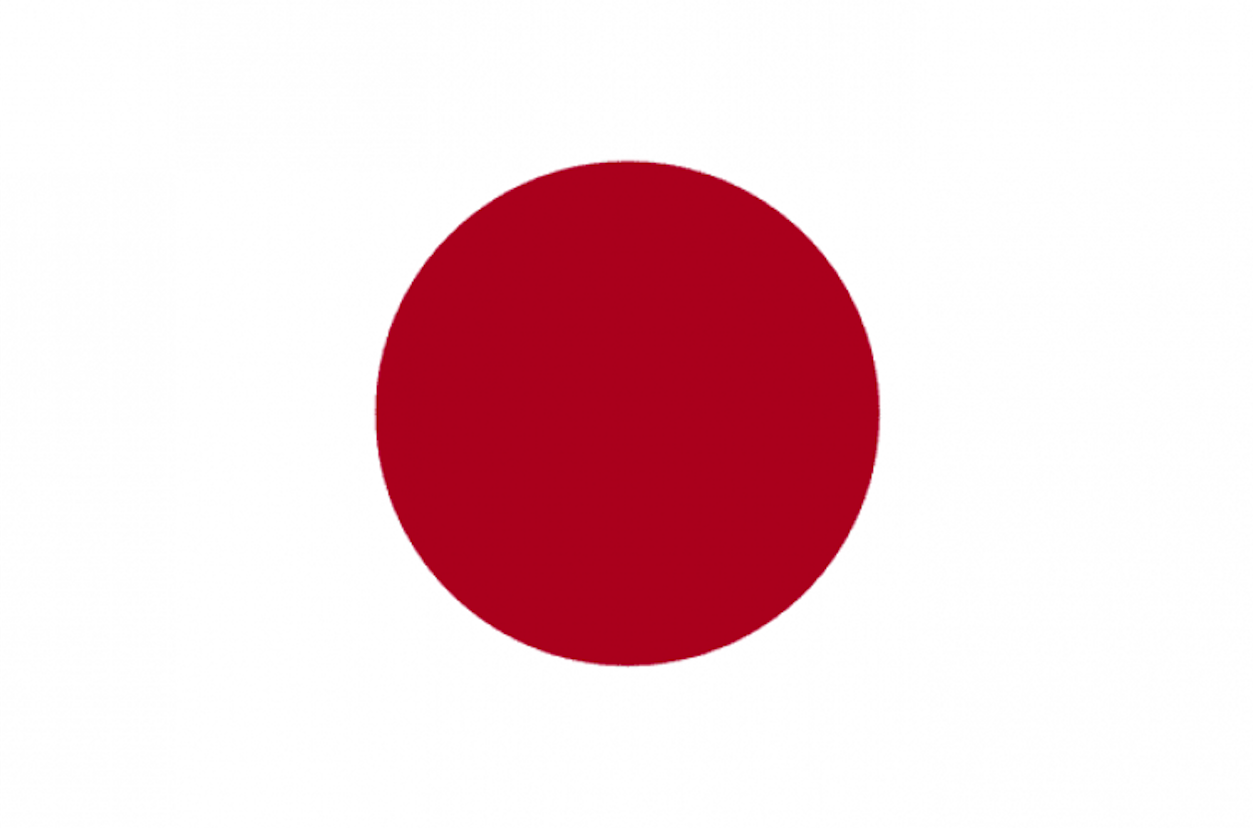
JAPAN
Manager: Takeshi Osada / Key Player: Shunsuke Nakamura
Since first qualifying for the World Cup in France ’98, Japan have been ever present at the finals and South Africa 2010 will mark their 4th consecutive appearance.
Finishing second behind Australia in Oceanian qualifying, well ahead of Bahrain, Qatar & Uzbekistan, sterner tests await this summer. Coach Takeshi Osada’s stated aim of a semi-final place is nothing if not ambitious, but progress out of the group stage seems a more achievable target.
The now retired legend Hidetoshi Nakata & ex-Gunner Junichi Inamoto brought the attention of the football world at large to the emerging talent in the Far East. Inamoto is still involved but it’s Espanyol’s Shunsuke Nakamura is the most high-profile player of the current squad, with young midfielder Keisuke Honda starting to make waves in the Dutch Eredivisie.
One factor which should work in their favour is the structure of the J-League which runs from February to December. As opposed to the European-based players for whom the World Cup will come at the end of a long, gruelling season, the Japanese squad – with 19 of the 23 playing in the J-League – should be relatively fresh.
And given the high-tempo, relentless energy of their pressing game, they’re good enough to give any team trouble in South Africa.
Key Player: Shunsuke Nakamura
Following three seasons with Reggina in Italy, Nakamura moved to Celtic in 2005 and quickly established himself as a fans favourite. A dead ball specialist with tremendous touch and vision, he won three SPL titles in four years before moving on to La Liga with Espanyol.
Although coach Osada has received some criticism for his supposed dependence on Nakamura, there’s no doubt that the form and fitness of their talismanic #10 will go a long way towards determining how far the superbly nicknamed “Blue Samurai” progress this summer.
NETHERLANDS
Manager: Bert van Marwijk / Key Player: Wesley Sneijder
The Dutch cruised through qualifying, winning all eight matches making them alongside Spain one of only two countries to register a perfect 100% qualifying record.
In truth, they were too good for Group 9 opponents Norway, Scotland, Macedonia & Iceland. But 17 goals scored, two conceded and the 14 point gap between themselves and second-placed Norway emphasised the difference in class and underlined their World Cup credentials.
With Ruud van Nistelrooy now retired, the goals were spread about with 11 different players getting on the score sheet.
Dirk Kuyt and Klaas-Jan Huntelaar led the way with three each, with Robin van Persie, Arjen Robben & Rafael van de Vaart all chipping in. Add Wesley Sneijder into the mix and the Dutch are certainly not lacking creative spark.
At both Germany ‘06 & Euro 2008, they produced some devastating performances early on before blowing it in the knockouts. When they get it right, they’re one of the few sides capable of matching Spain and Brazil, but backers of the “Oranje” have had their fingers burnt before. Will it be a different story in South Africa?
Key Player: Wesley Sneijder
The arrival of Ronaldo and Kaka at Real Madrid signalled the end of Sneijder’s time at the Bernabeu but Jose Mourinho moved quickly to bring him in for Inter Milan. There he’s wasted no time in establishing himself as the creative fulcrum of Italy’s strongest side.
A fine two-footed technician, a pin-point passer blessed with outstanding vision, and deadly with the final ball, Sneijder is also a free-kick specialist and the undoubted danger man of this potentially enthralling Dutch side.
URUGUAY
Manager: Oscar Tabarez / Key Player: Diego Forlan
Uruguay made it to South Africa via their now customary appearance in the play-offs having finished fifth in the South American qualifying zone.
Only missing out on automatic qualification after losing at home to Argentina in their final match, so it was that they went to the play-offs yet again for the third consecutive time. There they defeated Costa Rica 2-1 on aggregate to book their spot for South Africa.
Winning six, drawing six and losing six, they scored 28 goals, a tally bettered only by the top two, Brazil and Chile. Diego Forlan led the way with seven while Ajax livewire Luis Suarez and the veteran Sebastian Abreu both hit five.
Mainly due to their brutal displays – uncompromising would be a kind way to put it - back in Mexico ‘86, ‘La Celeste’ have always had a reputation among European fans for a somewhat no-nonsense approach to the game.
That label is probably now a little unfair toward the country which produced such sublime talents as Enzo Francescoli & Alvaro Recoba, and with the emphasis now placed firmly on attack, the class of 2010 now have the opportunity to make their own mark.
Key Player: Diego Forlan
Still chiefly remembered in England for his less than successful stint at Manchester Utd, Forlan’s subsequent move to Spain saw him twice crowned La Liga’s top scorer. 105 goals in 185 games for Villarreal & Atletico Madrid is a much more accurate reflection of his abilities.
Often playing against highly competitive sides from South America, his international record of 22 in 60 is a pretty decent record as well. A stunning volley against Senegal in 2002 was one of the highlights of the tournament, and his team-mates will be looking for more of the same in South Africa.